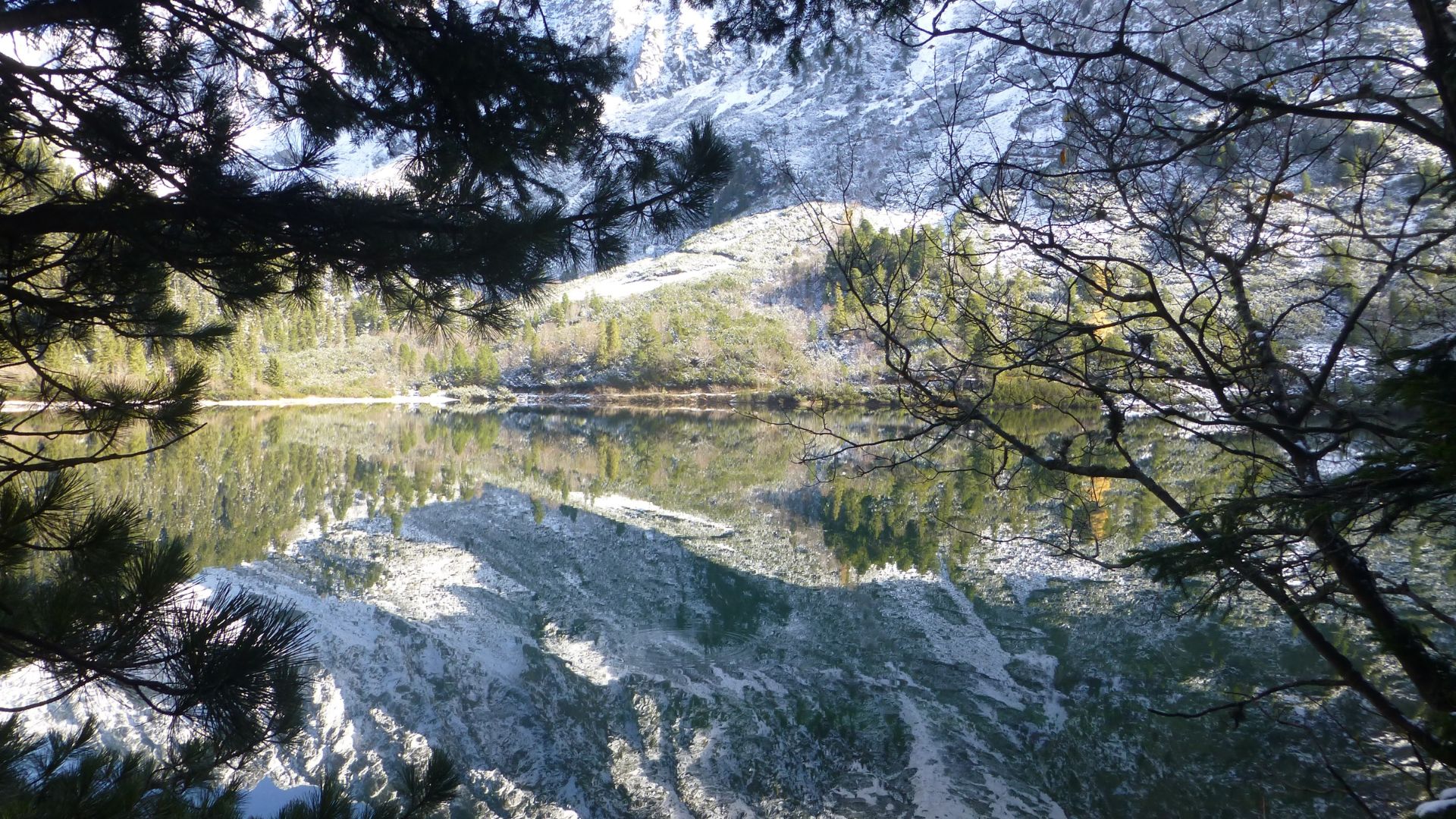
Poprad Lake, Slovakia
How comfortable are we
In a world of given paths that are cleaned every week
So we can walk on them with boots, hiking shoes, sneakers
What we climb up all the way to the cold
Cutting rocks and realize that there is nothing we should do
But be astounded and surrender to all
What has been known before ourselves
Something that still exists
If we get rid of the shoes
Human imprints
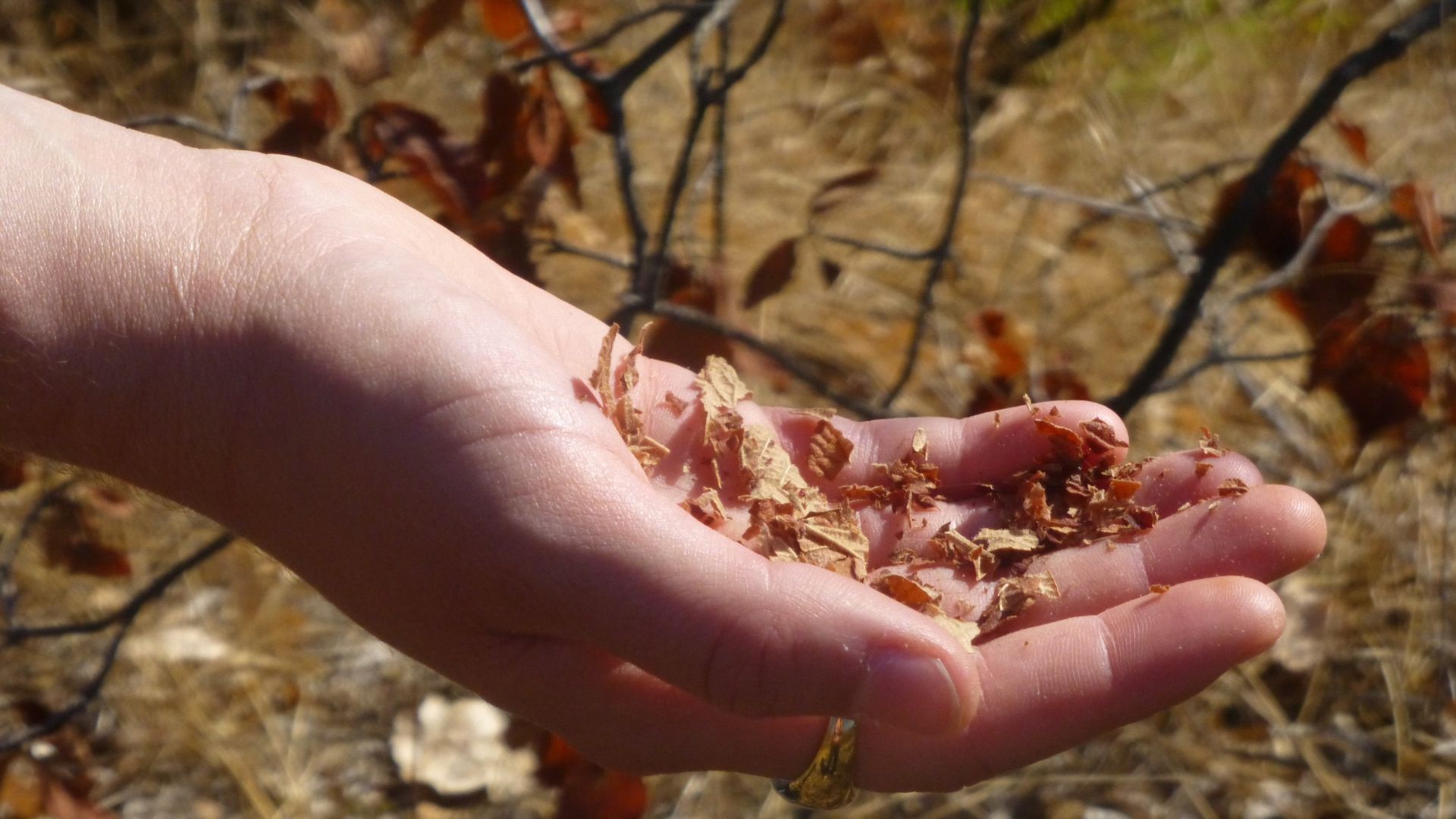
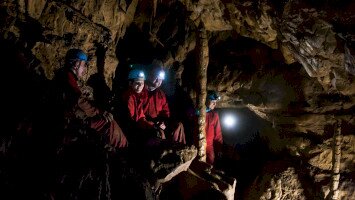
When was the last time you’ve ever been in a cave? Have you seen the bats? Have you seen the trash on the ground, wondering how this can exist all at the same time? Well, I certainly did. Almost every week, we are sent to a cave to explore the hiking trails and human history. Who knows what other histories are hidden there. On a special waste collection day, we hike to the Kecske-lyuk Barlang cave. On the way, I can only see the trash that we are supposed to pick up on our way back. Not yet, can someone explain this to me? Why are you holding me back from taking things that don’t belong here? Although it is not clear where all the trash belongs and to whom. It’s better to look away. So that’s why, on our way back, we only start collecting the trash. Then I realize: it is not the same way we went in the first place. So the trash will stay eventually, if no one else dares to care and pick it up. It’s kind of terrifying that once you start looking, you cannot unsee what is left on the trails, between the grass, in hidden tree trunks, a dried-out field with probably more plastics than living beings in it. I am left with a weird feeling. Yes, we should carry a bag with us at all times, but what if it’s not for the “beautiful” nature but the city you are living in that more and more people want to flee from. To rather be in your own little apartment than seeing the world as it is and what it becomes. As Hartmut Rosa Says: this is because of the Verfügbarkeit of the world (eng.: controllability, Rosa, 2020). Instead of getting touched by what surrounds us, acknowledging the Unverfügbarkeit (uncontrollability) of the world, what deeply changes us, we walk through the streets with eyes and ears shut by music and dirty phone screens. So I choose to take my walks slowly, seeing what is there. A little river, fish swimming between old water bottles. Reflections on old buildings. I can be in the city and still feel connected to nature. It is a relationship that can never be cut but only be explored and widened.
Surviving Snails
One day, we are picked up by car to go to Kàcs and Sàly, two small villages in the Bükk region. We are here to see the snails (Theodoxus prevostianu, Microcolpia daudebartii thermalis, and Bythinella thermophila) that are unique to the region, an always endangered species, surviving many drastic changes. However, now, because of water scarcity caused by human actions, their end is as near as never before. As I learn that they have survived so many risks and attacks, always recovering, it makes me think: there must be a way to resist human impact as well. This can’t be it. So, while the ranger tells us this thriller of surviving snails, I wonder how much time we have left to do something about it. In my lifetime, 30 years are a long time; for the snails, it is nothing. And still, our lives are so intertwined in that moment that time loses its dimension, leaving us with the now. What can we do to find a compromise when the conflict is not just about a snail and humans in a village depending on the same vanishing water source? It is something that manifests itself in the relations to the world. Such conflicts exist everywhere, and they always have. Yet, time is running by and so every day becomes another trial (of error). Although I am fascinated, ashamed and speechless again when thinking about the actions that are not taken, I also feel very inspired. By the people that go there every day to do something because they care. By the snails that continue to exist in times of uncertainty. After all, uncertainty shapes our lives, including the endless possibilities of what could come next. It is as if the future is opening up because the past has never ended It reminds me of the struggles of people whose fights have never ended in a society that oppresses them (Lowy, 2016). Something always has to be done, and I am lucky to be surrounded by places and people that see the needs and care for the world and its inhabitants. People who are scared but who use this feeling to take action. I am reminded of my own bravery. What it sometimes takes to start something new, even if I have no clue of what it will look like. But here I am, with some Hungarian people, the snails, and a little water left, feeling connected because of the things we chose to do. There is a lot of hope in that.
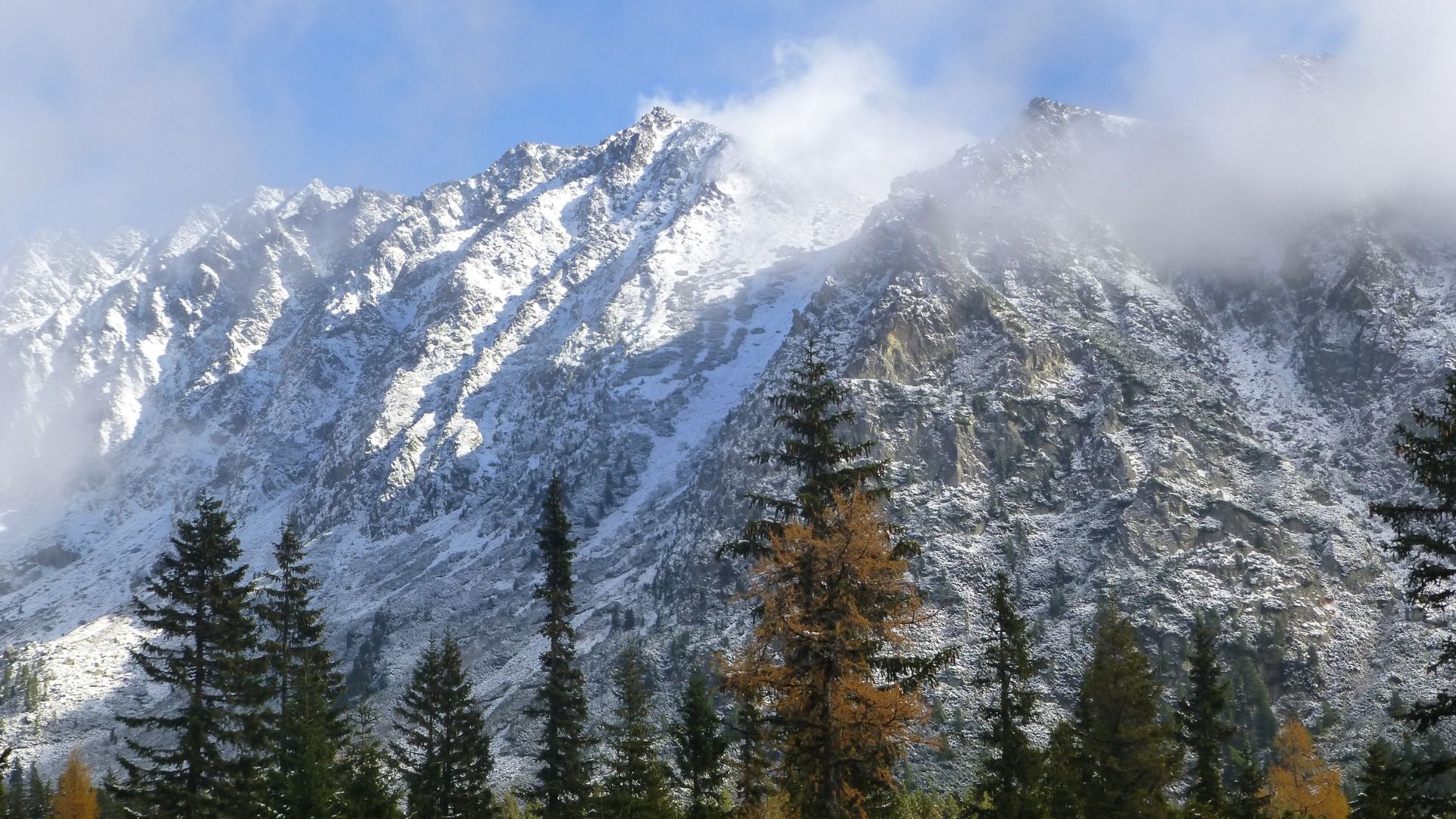
Poprad Lake, Slovakia
Welcoming belated fall and an early winter
We leave these two villages with 25 degrees in October. Sometimes I can’t believe that all of this is real. After living in a heat phase, at least it feels like it, for the last two months, the fall starts to show itself at the end of October. It starts with a day where the sun is out, but I don’t have to pull on all my warm clothes to breathe normally outside. I can wear a jacket; some wind is blowing through my mind, leaves flying around like snow falling. After all, we can take a deep breath without our throats burning, just fresh air cooling our bodies. The vibrant colors of the leaves make me feel so alive. A collective sigh. Now, I could be outside all day, even if it’s raining. To hear the calming sounds of water dropping on my jacket.
However, this is not enough; we want more. We decide to take a trip to the Slovakian High Tatra Mountains. How privileged we are to be able to move from one country to another and not think about anything else but what we are excited for once we are there. The freedom to move, a right to exist in a place where magical things can happen. Who would have thought that I would see some snow in the very last days of October? As we drive to the Slovakian mountains and hike from Štrbské Lake to Poprad Lake, I am speechless again at the beauty surrounding me. Suddenly, everything feels like a fairy tale, out of time for a moment. This could be the beginning of spring, as the sun comes out and snow melts into water dripping from the pine trees. Only the vibrant yellow colors remind me that it’s October. It does not matter in the end, we enter another universe. It is moments like these that keep me astounded and small in the best possible way. What a beautiful planet that we have the chance to live in and experience. So we stand there or walk between slippery rocks on ice, and that’s all we can do: be human, and there is no more to it. At the end of this month, it is strange to think about the ambivalences and paradoxes I have lived through since I came here. From the unusual heat to the perfect fall (and winter) day. But it is only a logical consequence of living in systems that alienated us for so long from what is surrounding and essentially moving us. The question is: do we deny or do we act?
Recommendations:
“Braiding Sweetgrass” by Robin Wall Kimmerer – a must read on colonial history and other ways of living
“The Uncontrollability of the World” by Hartmut Rosa
“The Freedom to Stay” by Eva von Redecker – my absolute favorite thinker, a must read
Other Literature:
Rosa, H. (2020). Unverfügbarkeit. Suhrkamp Verlag.
Lowy, M. (2016). Fire alarm: reading Walter Benjamin‘s‘ On the concept of history. Verso Books.
Author: Lina Stoschus
Pictures: Carlotta Schweiker