Flora
The area of the Bükk-Region Geopark is not identical with natural landscape boundaries. The Bükk Region (as a mesoregion) forms the „core” of the area, several contacting microregions are also part of the area. Among the microregions forming part of the Great Hungarian Plain are the Gyöngyös and Heves plains, Borsod-Mezőség and the Sajó-Hernád plain. To the west and north, both the Mátra (through the Eastern Mátraalja, South Mátra and the High Mátra microregions) and the microregions of the North Hungarian Basins are involved (Pétervására Hills, Ózd-Egercsehi Basin, Upper Tarna Hills, Tarna Valley, Sajó Valley). One of the most typical specifics of the area is the significant forest cover, which is more than three times the forest cover of Hungary (21%). Considering the central part of the Bükk, this value is above 90%. This fact greatly determines the natural condition of the area.
The area of the Bükk-Region Geopark belongs to the flora district of Borsodense, of the NorthHungarian Range (Matricum) flora region of the Pannonian flora province including the Bükk Mountains according to the Hungarian geobotanical classification. The western and northern hills and mountainous parts of the area (Mátra, Pétervására Hills) are part of the Agriense flora district, while those that are part of the Great Hungarian Plain belong to the Crisicum flora district.
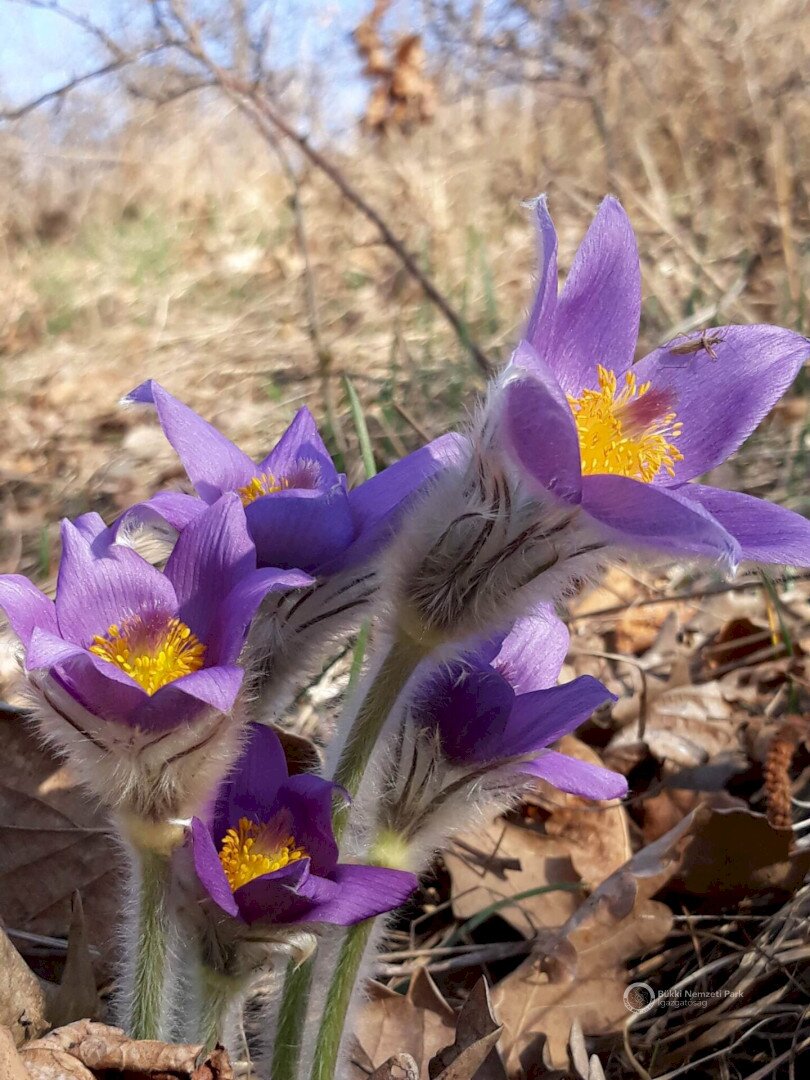
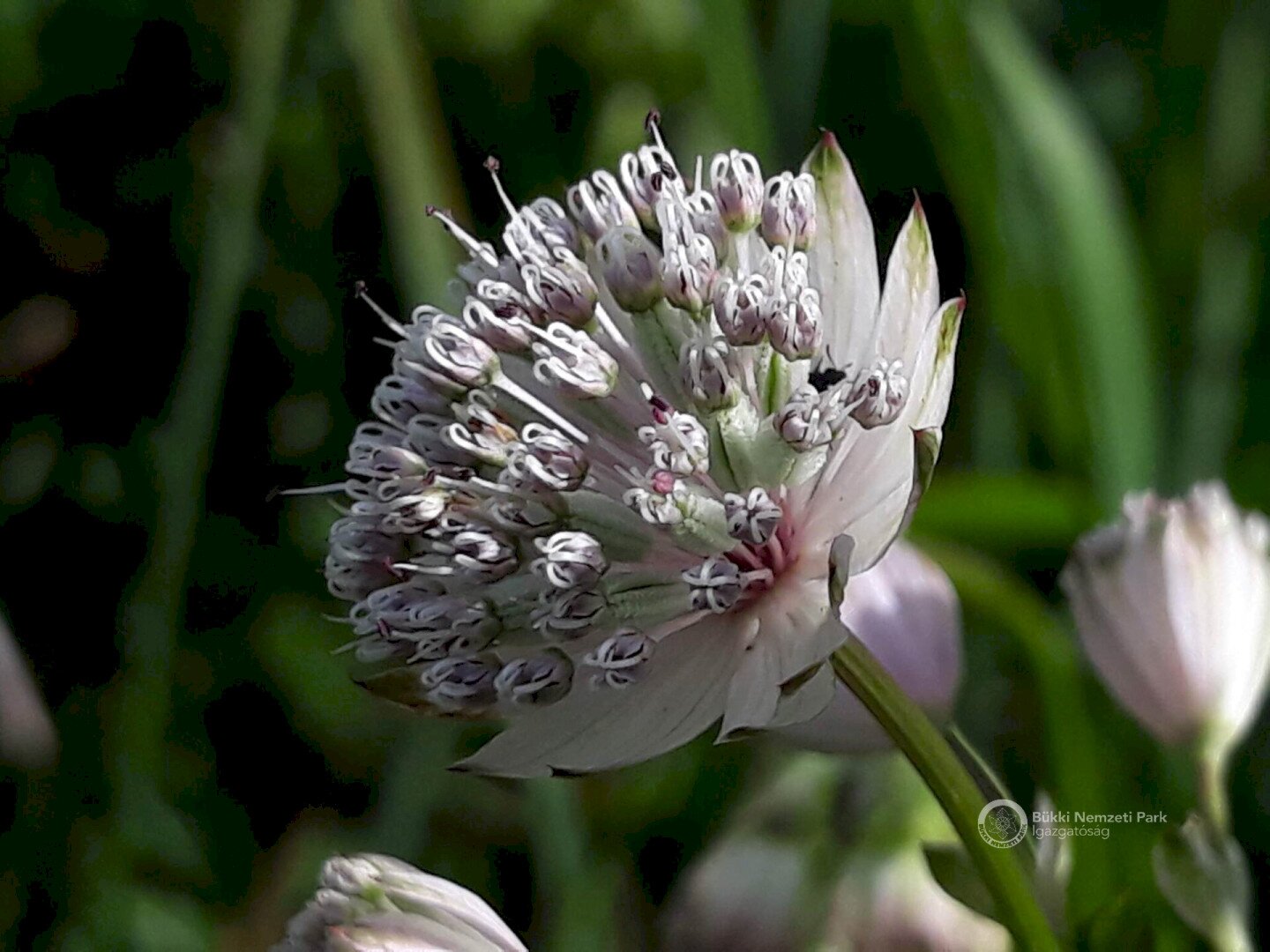
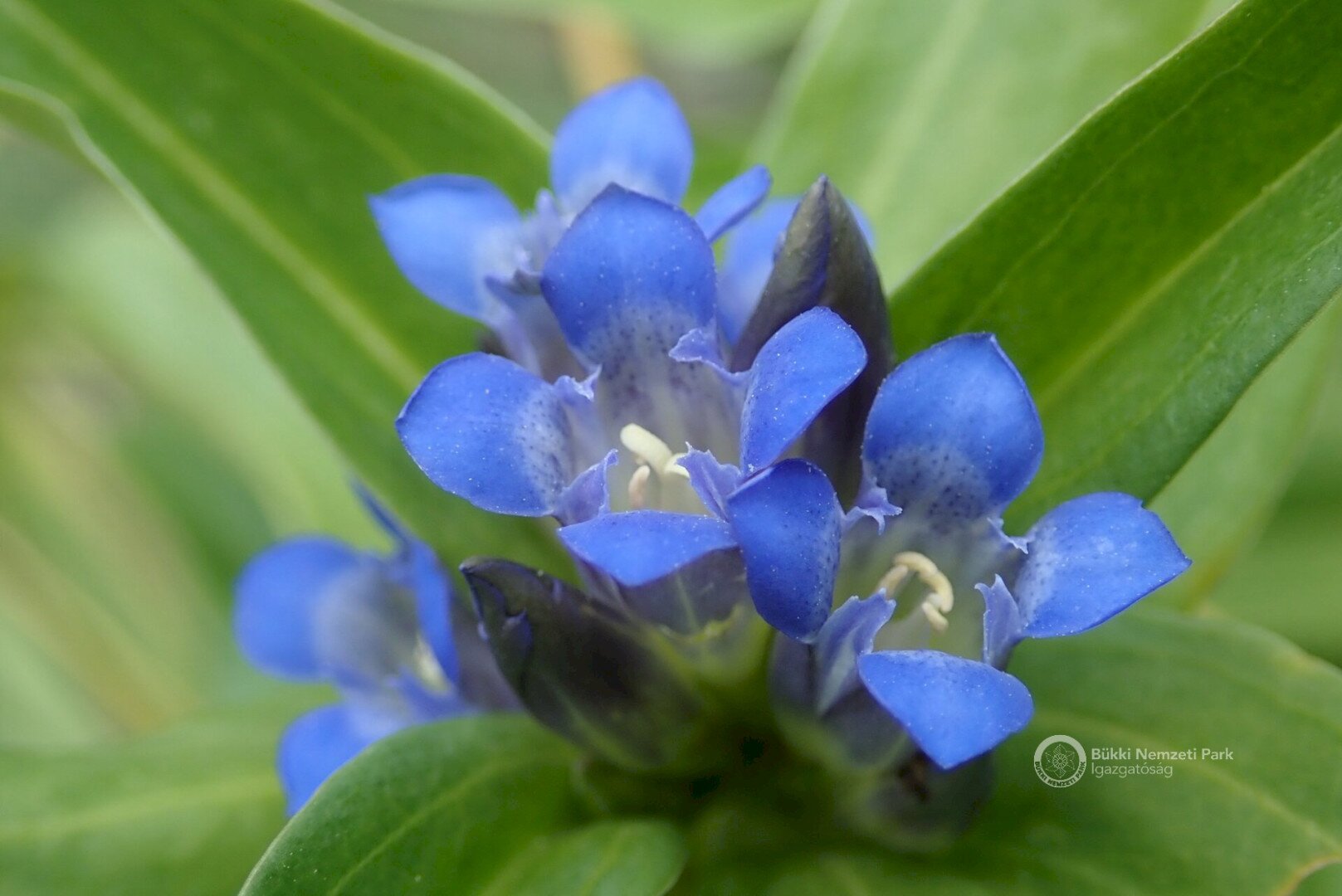
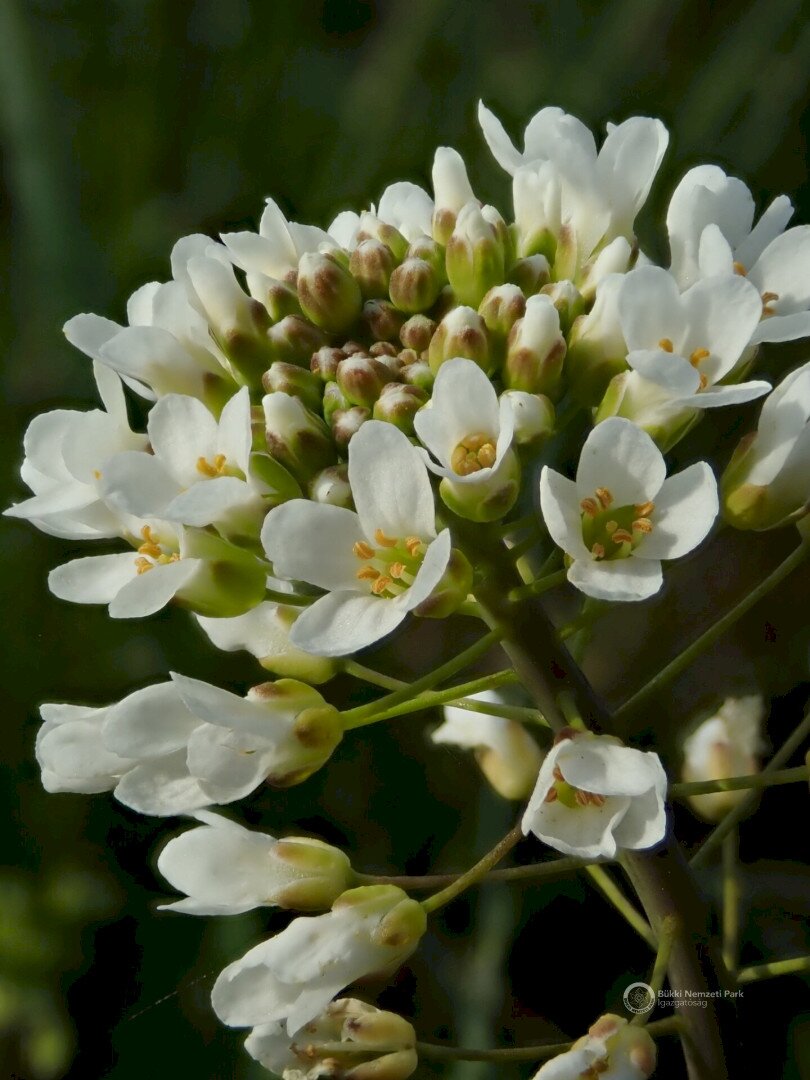
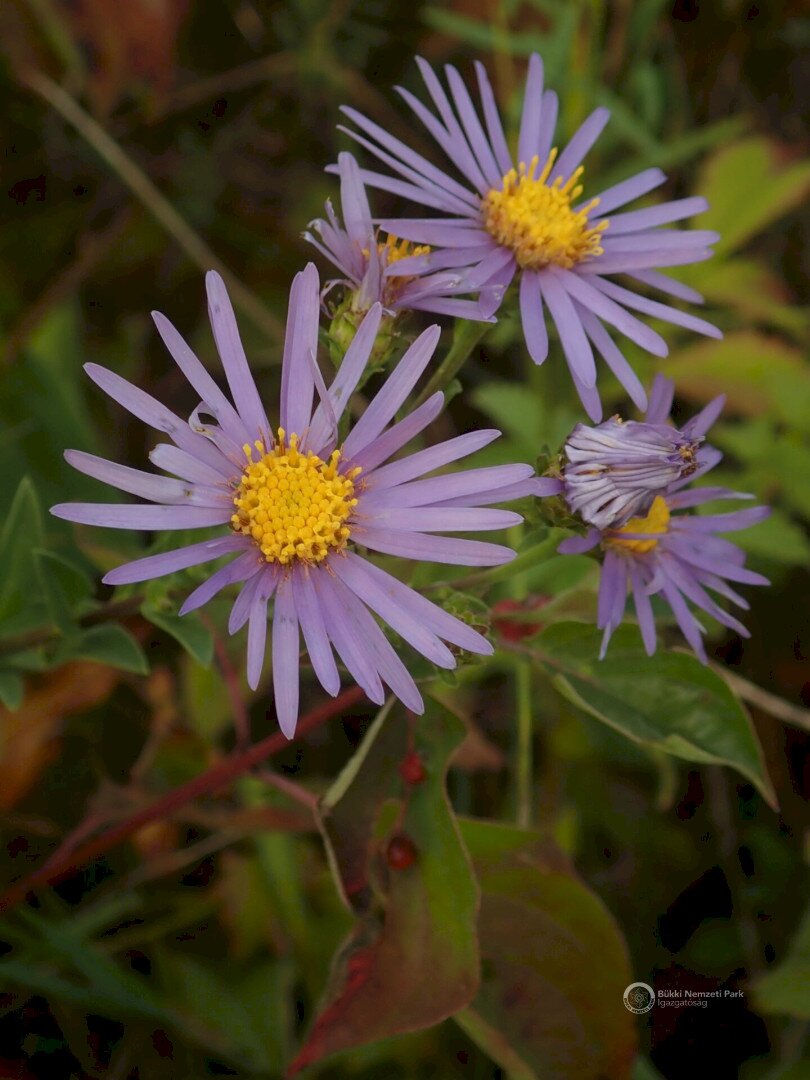
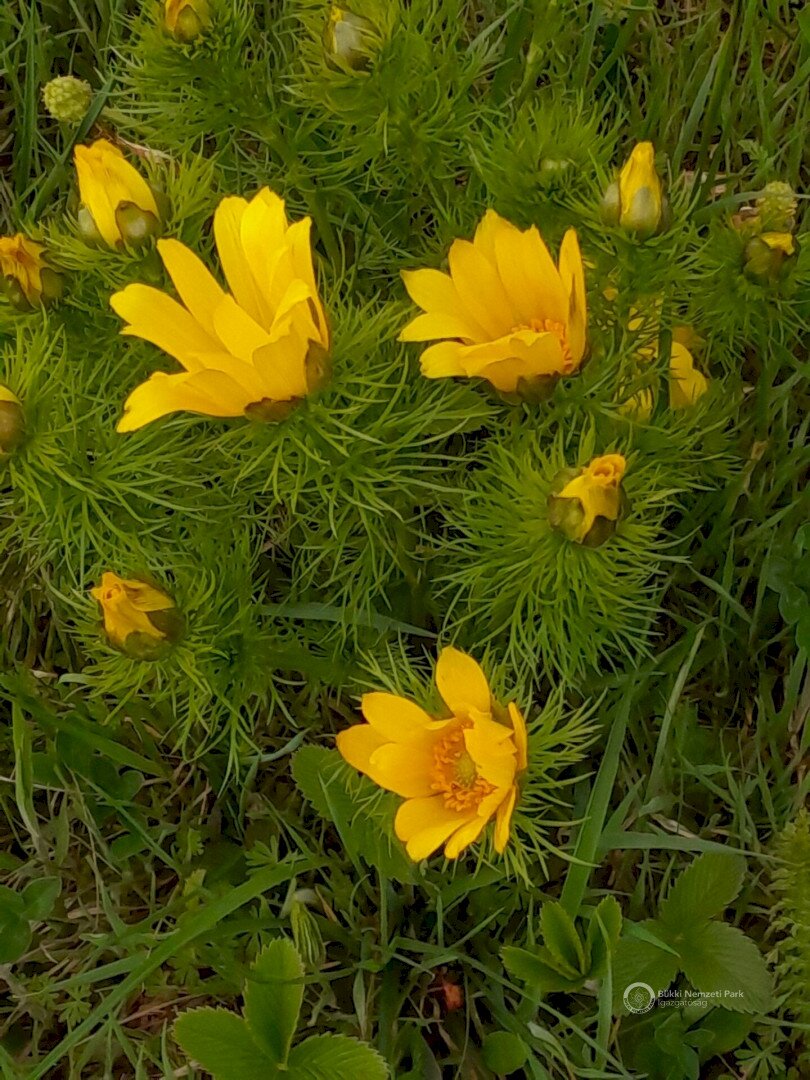
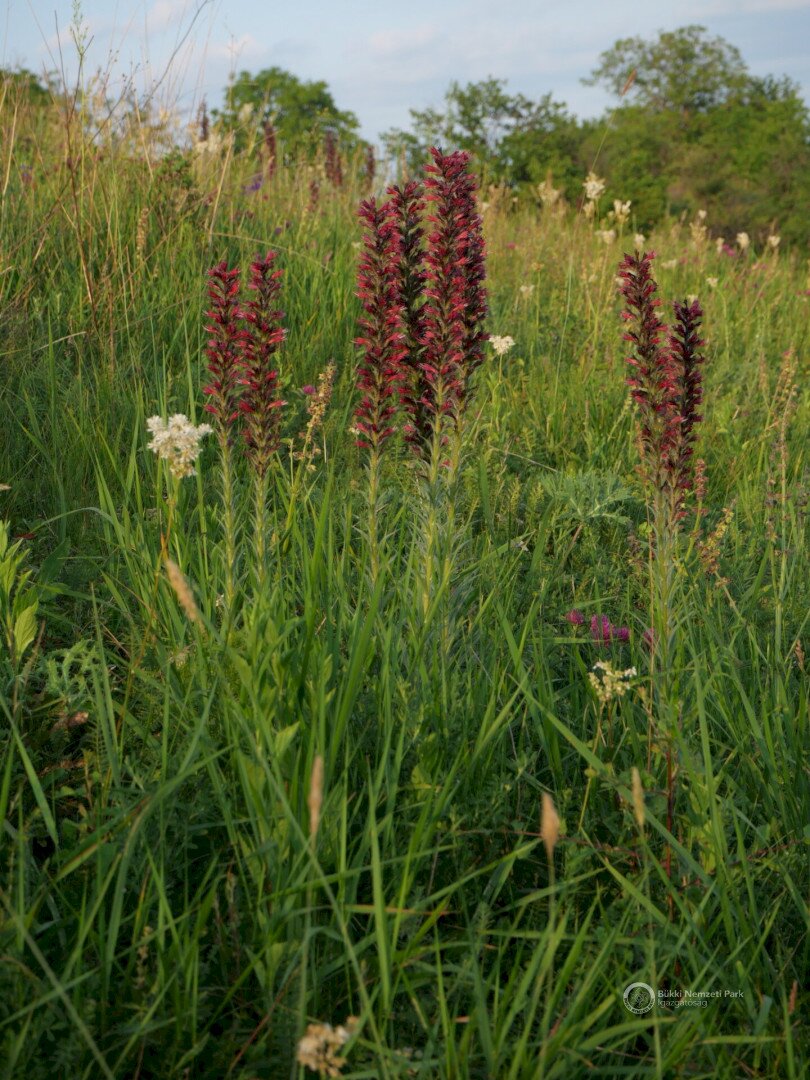
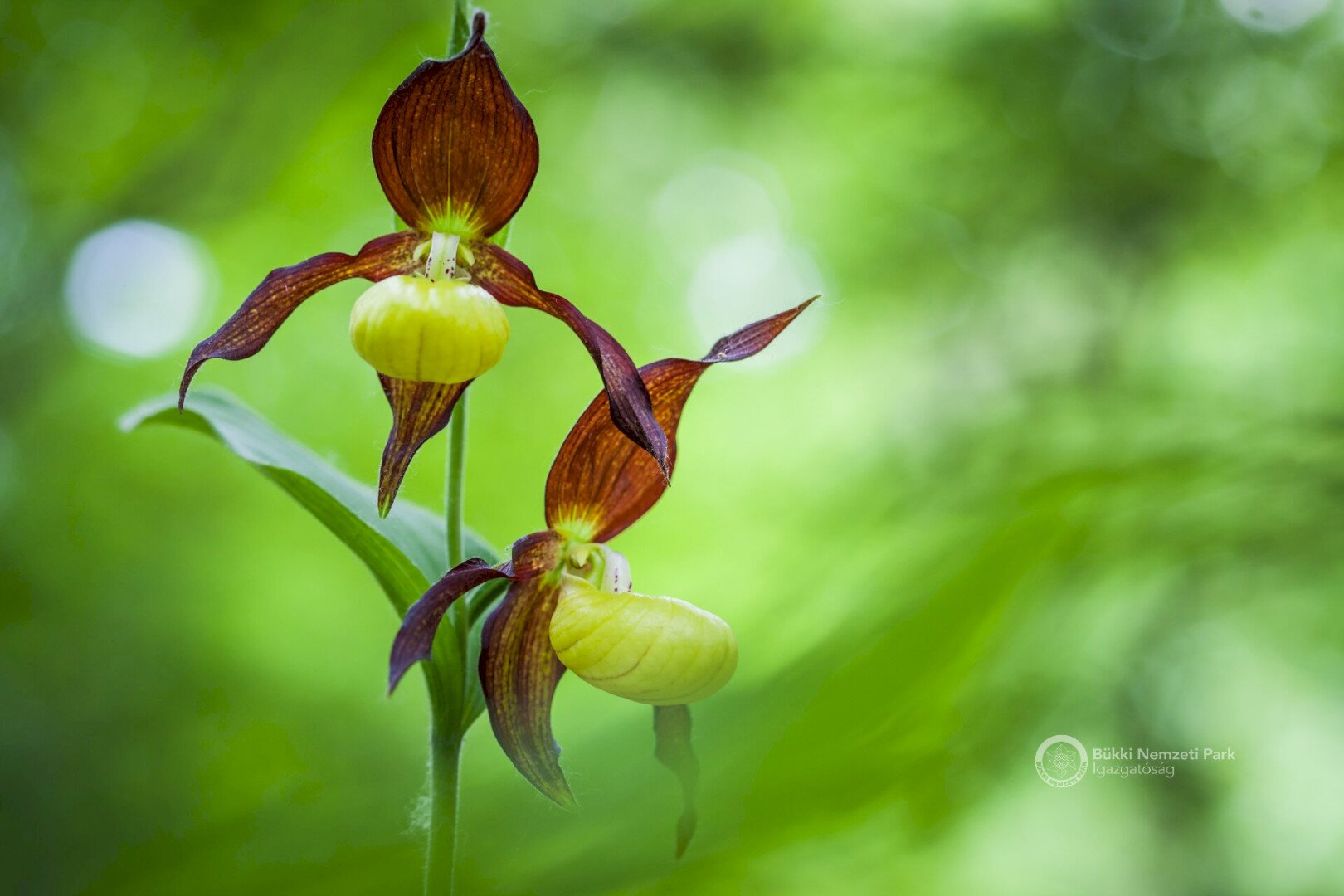
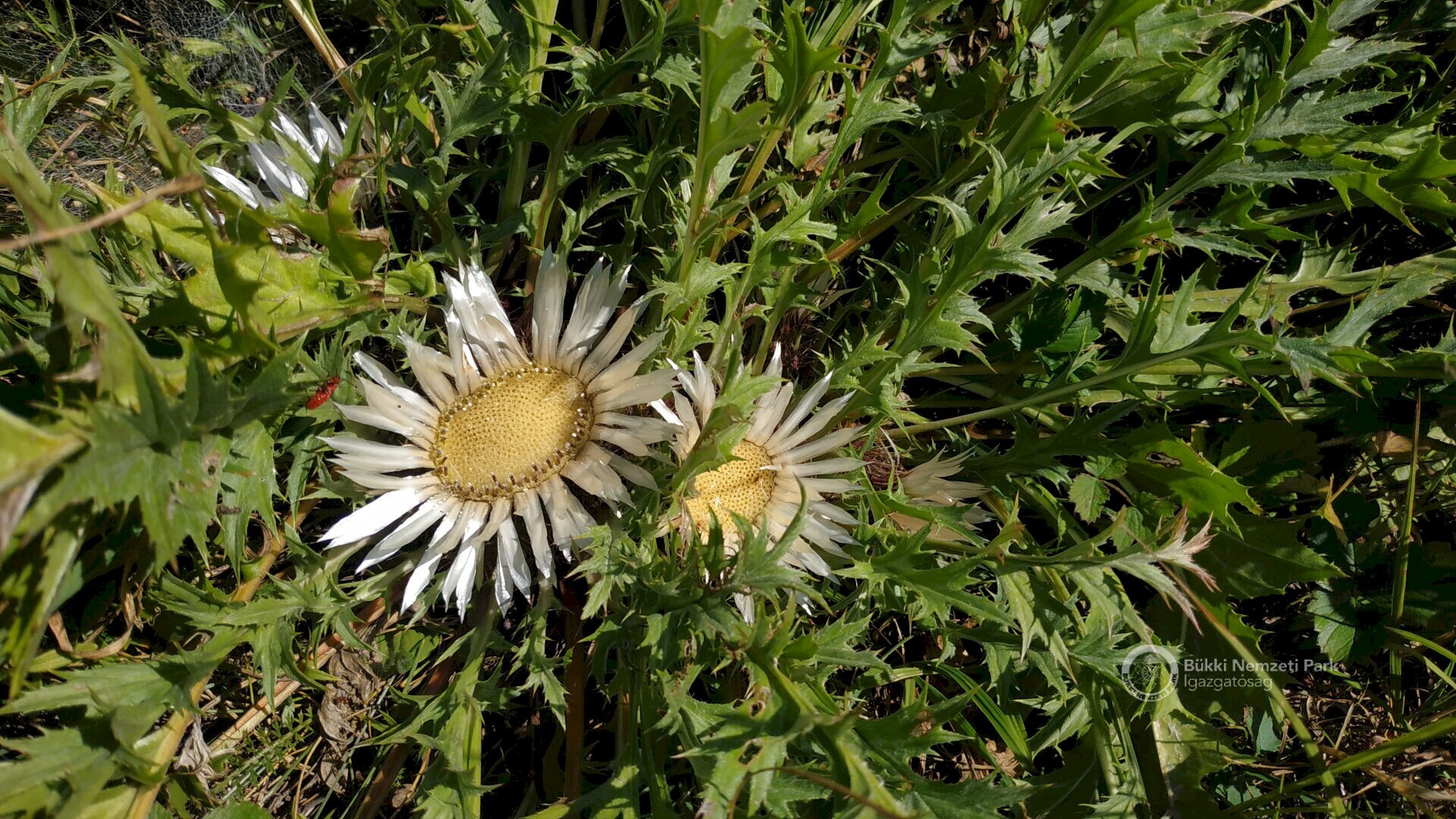
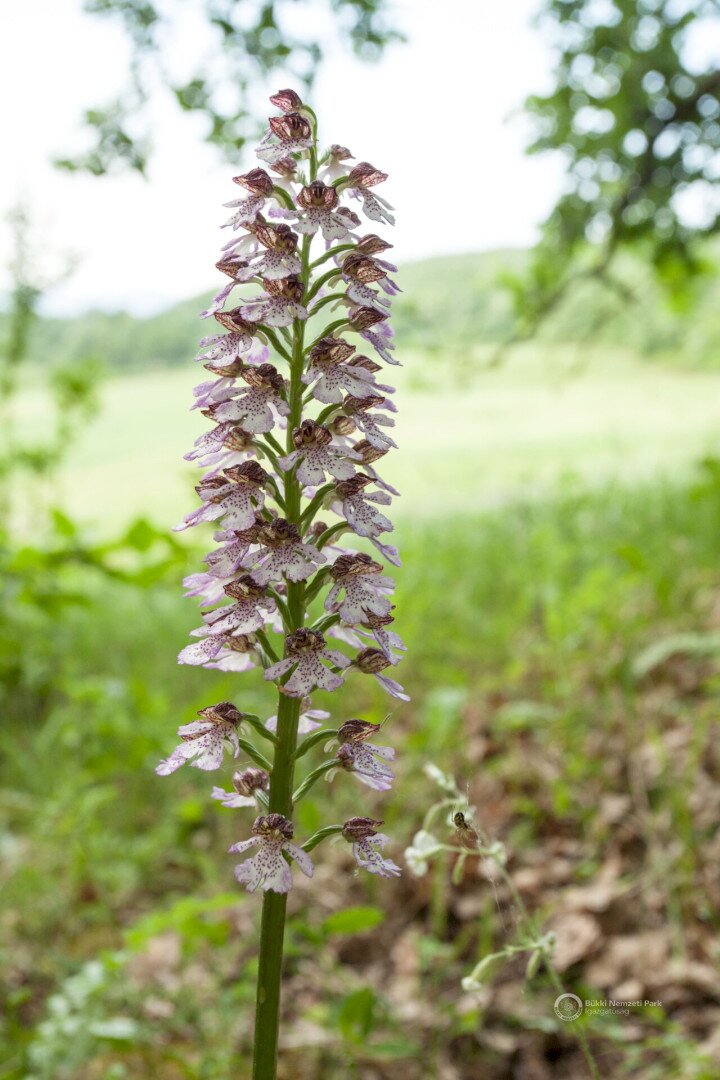
The flora of the Bükk Mountains is considered very rich, even in Hungarian scales. In the flora enumeration compiled by András Vojtkó 1,320 vascular plant species were elaborated. The number of species occurring in the delineated area of the Geopark is much higher, as in the adjacent areas not part of the Bükk Mountains (like Borsod-Mezőség, Pétervására Hills, Sajó and Tarna valleys) also contain habitat types (like areas with alkaline and sandy grasslands, floodplain meadows, watercourses, backwaters) that do not occur in the Bükk. The total number of species for the site (including species of anthropogenic habitats) is estimated at 1800–1900 species. The floristic richness of the area is also shown by the occurrence of 26 strictly protected and 364 protected plant species.
Floristically, it is particularly interesting that in the area of the Bükk Mountains dealpine-glacial and sub-Mediterranean interglacial species can also be found, as well as cold-continental species, and its endemic and sub-endemic plants are also noteworthy. Sadler's giant fennel (Ferula sadleriana) and calamint (Calamintha thymifolia) as example sof endemic and pre- or interglacial relict species occur only on Bélkő Hil. Some European smoketree (Cotinus coggygria) occurrences are also believed to be relict-like in the area.
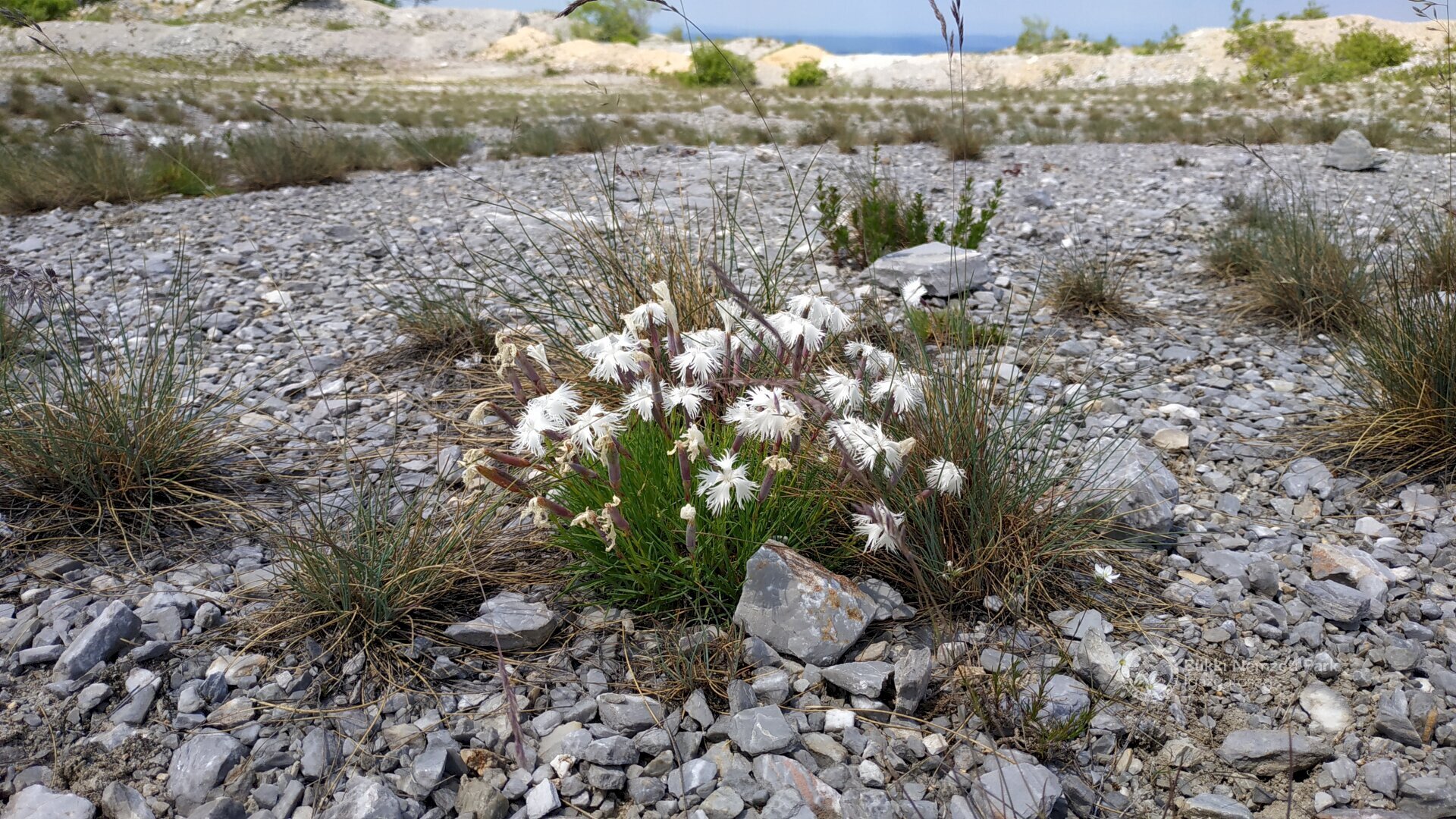
It is likely that some notable dealpine species of the Bükk, such as the victory onion (Allium victorialis), Alpine rock-cress (Arabis alpina), variegated reed-grass (Calamagrostis varia), Alpine clematis (Clematis alpina), pink species (Dianthus plumarius subsp. praecox), Tatra-hawkweed (Hieracium bupleuroides subsp. tatrae), stone bramble (Rubus saxatilis), blue moor grass (Sesleria varia), common yew (Taxus baccata), heart-leaved oxeye (Telekia speciosa), Alpine yellow violet (Viola biflora) appeared probably here during the Ice Age. The occurrence of the Baltic acidophilic thrift species (Armeria elongate) further expands the range of rarities in the Bükk. The development of the characteristic flora of the mountains was the result of the possibilities of diverse local habitats that are hardly present in other parts of the North Hungarian Mountain Range. This floristic richness was partly derived from the diversity of the bedrock (limestone, dolomite, shale, rhyolite, basalt, porphyry), and partly the and soil types. Habitats with extreme microclimate conditions associated with the relief conditions (sinkholes, steep-sided valleys, rock cliffs, rocky ridges) also allowed species to survive even after changes in the macroclimate.
The variety and richness of the vegetation of the area have been shaped by a number of factors, in which the landforms of the area, climatic conditions, base rocks and soil types and the history of vegetation development with past and present land use play a decisive role. These factors are further influenced by mesoclimatic and biogeographical differences between certain parts of the Bükk. Thus, for example, the effect of the Pontic-continental climate is strongest in south-eastern Bükk, while the sub-Mediterranean effect is strongest in the Bükk, even though xerotherm associations are typical for both areas. Similarly, there are significant differences, for example, in the northern vegetation of the north-western slopes of the Bükk Plateau and the Ómassa valley.
Fauna
According to animal geography, the hills and mountains of the area are classified as the North Hungarian Range (Eumatricum) faunal sub-district of the Middle Danube faunal district, while the lowland peripheral areas are part of the Eupannonicum faunal sub-district of the Pannonicum faunal district.
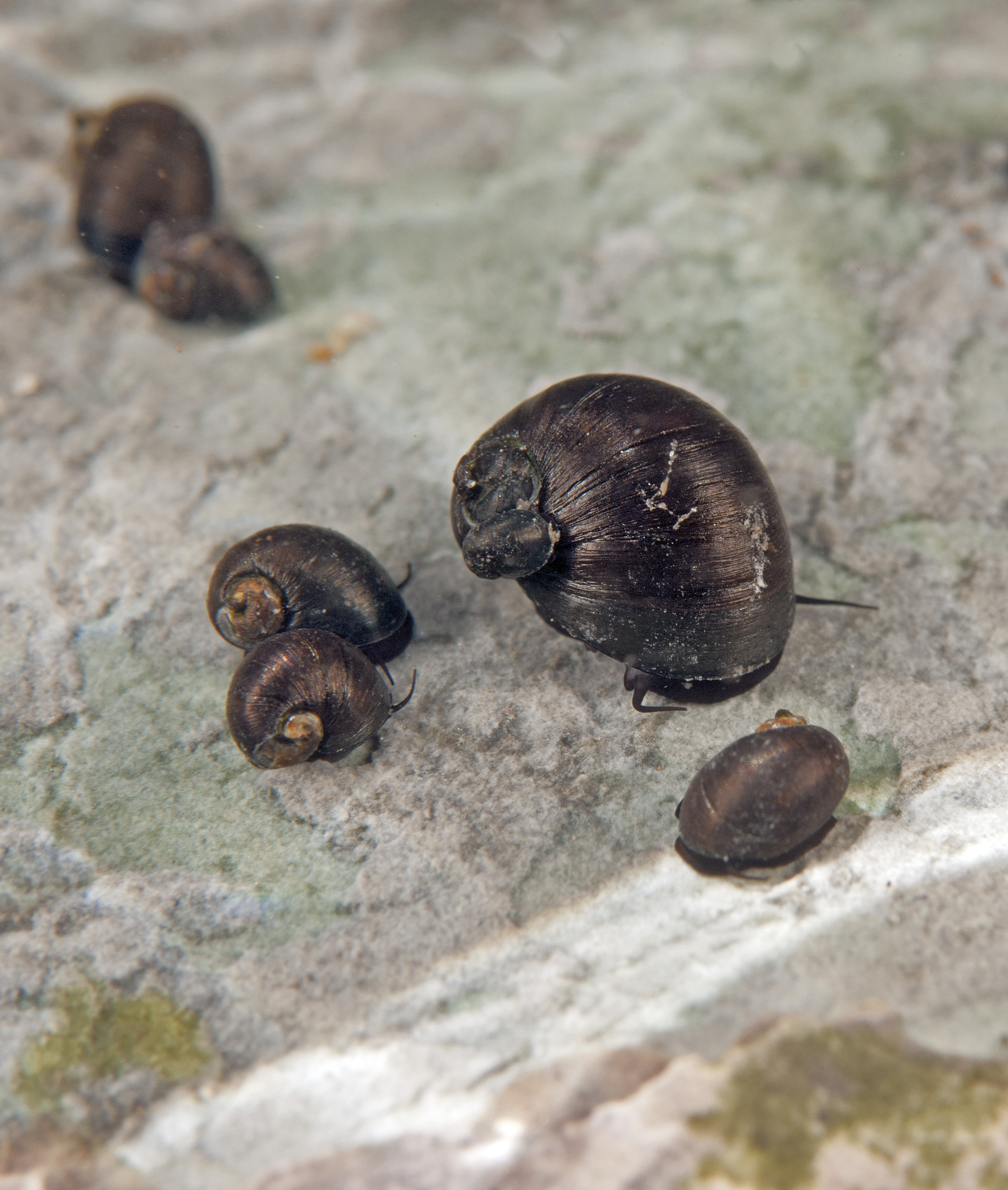
The diverse natural conditions that create vegetation are, of course, also decisive for the fauna. Consequently, the Bükk Mountains and their surroundings are a collection point of collection for a wide variety of fauna elements from an animal geography point of view.Endemic species that live only in the Bükk, such as the cave-dwelling Gebhardt’s Ground Beetle (Duvalius gebhardti) and the Entephria cyanata gerennae, are very valuable.The number of animal species in the Bükk Mountains only is estimated by the simplest calculations to be around 22,000. Since the delineated area also contains a number of habitat types that do not occur in the Bükk Mountains – in the narrow sense – or are very rare, this figure may exceed 25,000. As far as we know, we have data on the presence of 101 strictly protected and 503 protected animal species (including migrating species and those using the area periodically in addition to breeding flocks. This summary cannot cover all groups of organisms and habitat types, therefore only the most specific elements have now been highlighted. Bythinella pannonica loves the cold and clean water of karst springs, while in the lukewarm karst springs of the South Bükk lives the Theodoxus prevostianus.
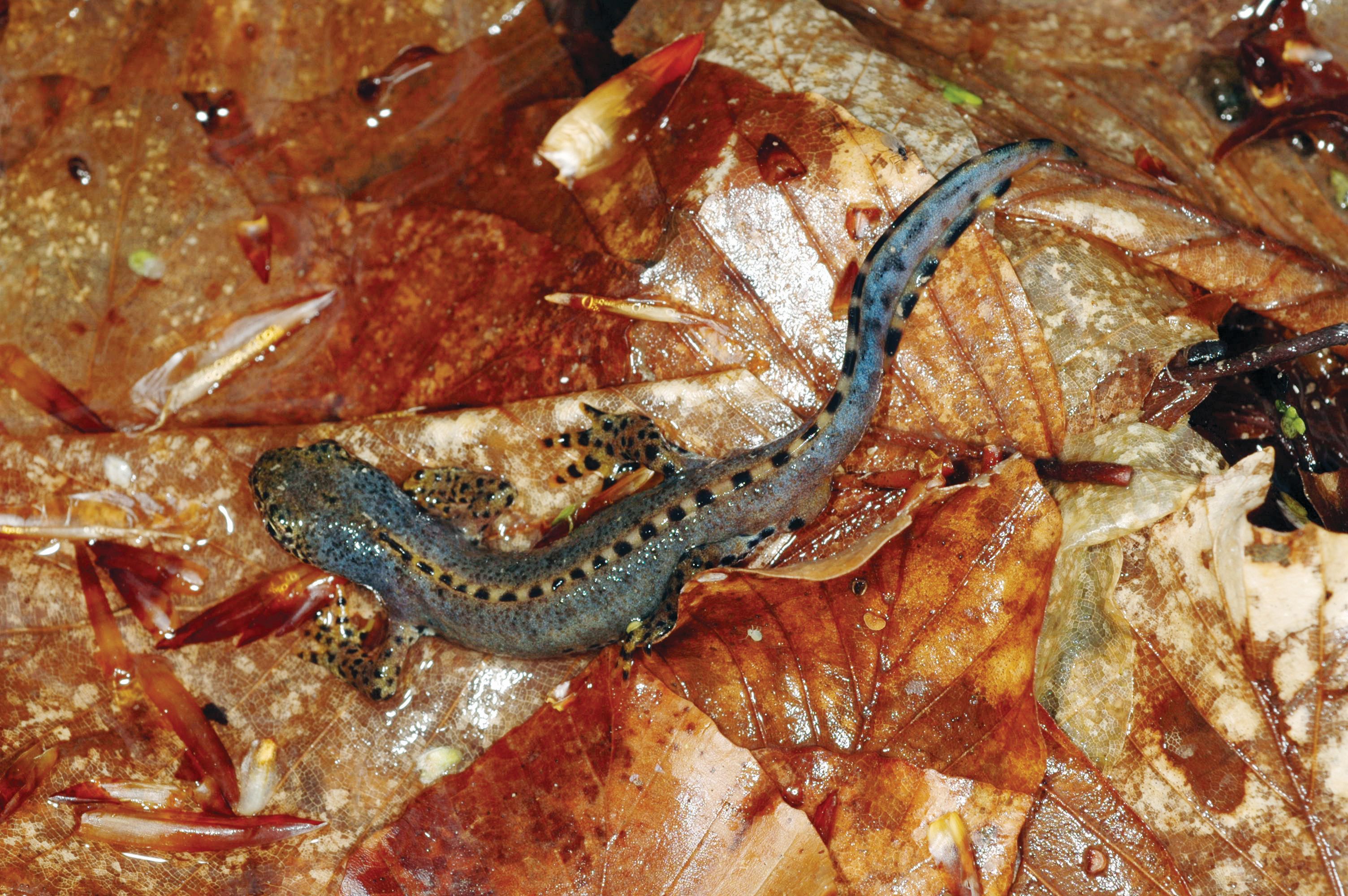
The majority of the bat population of Hungary can be found in the caves of the Bükk (the common bent-wing bat /Miniopterus schreibersii/ and the Mediterranean horseshoe bat /Rhinolophus euryale/ can only reproduce in caves), but there is also a significant number of forest-dwelling bats.The wealth of species and rare species elsewhere are the result of large, old forest blocks and hundreds of caves.Gorge forests, typical mainly of the northern part of the mountains, are home to many valuable northern and high mountain elements.The Eastern Carpathian endemic Carpathian blue slug (Bielzia coerulans) and the Mountain whorl snail (Vertigo alpestris) are typical. Forest puddles and springs provide breeding sites for many amphibian species, the occurrence of the Alpine newt (Triturus alpestris) out of which, indicates relations to high mountains.
Reptiles are essentially attached to dry habitats, and in the southern sunny slopes sand lizard and European green lizard (Lacerta agilis, L. viridis) are met frequently. In the clearings of warm-loving oaks, and when they are turned up into trees, sunbathing Aesculapian snakes (Elaphe longissima) can also be observed. Burrow-dwelling bird species are bound to old forests rich in old and dead trees.White-backed woodpecker (Dendrocopos leucotos), red-breasted flycatcher (Ficedula parva) and Ural owl (Strix uralensis). The bird of prey fauna of the area is also very valuable. Stable, traditional nesting sites are available for the strictly protected eastern imperial eagle (Aquila heliaca), lesser spotted eagle (A. pomarina), European honey buzzard (Pernis apivorus) and peregrine falcon (Falco peregrinus). It provides habitat for the specific endemic karst animals of dolines in the Bükk Plateau providing a living space for a specific karst fauna.These associations show Carpathian characteristics. Typical species are the endemic northern brown argus (Plebeius artaxerxes issekutzi) and the mountain Alcon blue (Maculinea rebeli).In the bushes, warm oaks and dry grasslands of the mountains, warm fauna elements, including the predatory bush cricket (Saga pedo), Paracaloptenus caloptenoides, Rileyiana fovea, Erannis ankeraria, Hungarian metallic wood-boring beetle (Anthaxia hungarica) are important. In recent decades, the resettleing of large predators can also be observed, with the detection of wolves (Canis lupus), Eurasian lynx (Lynx lynx) and brown bears (Ursus arctos) again appearing in the area.
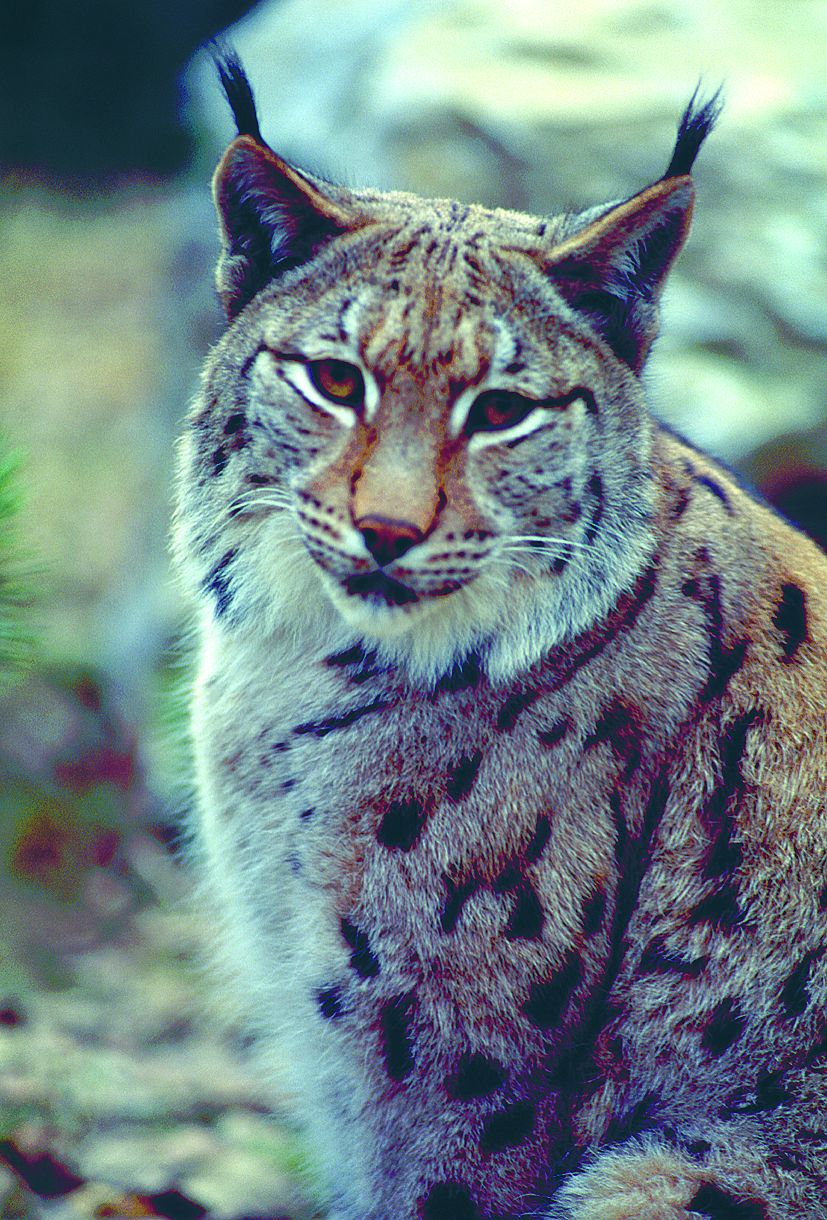
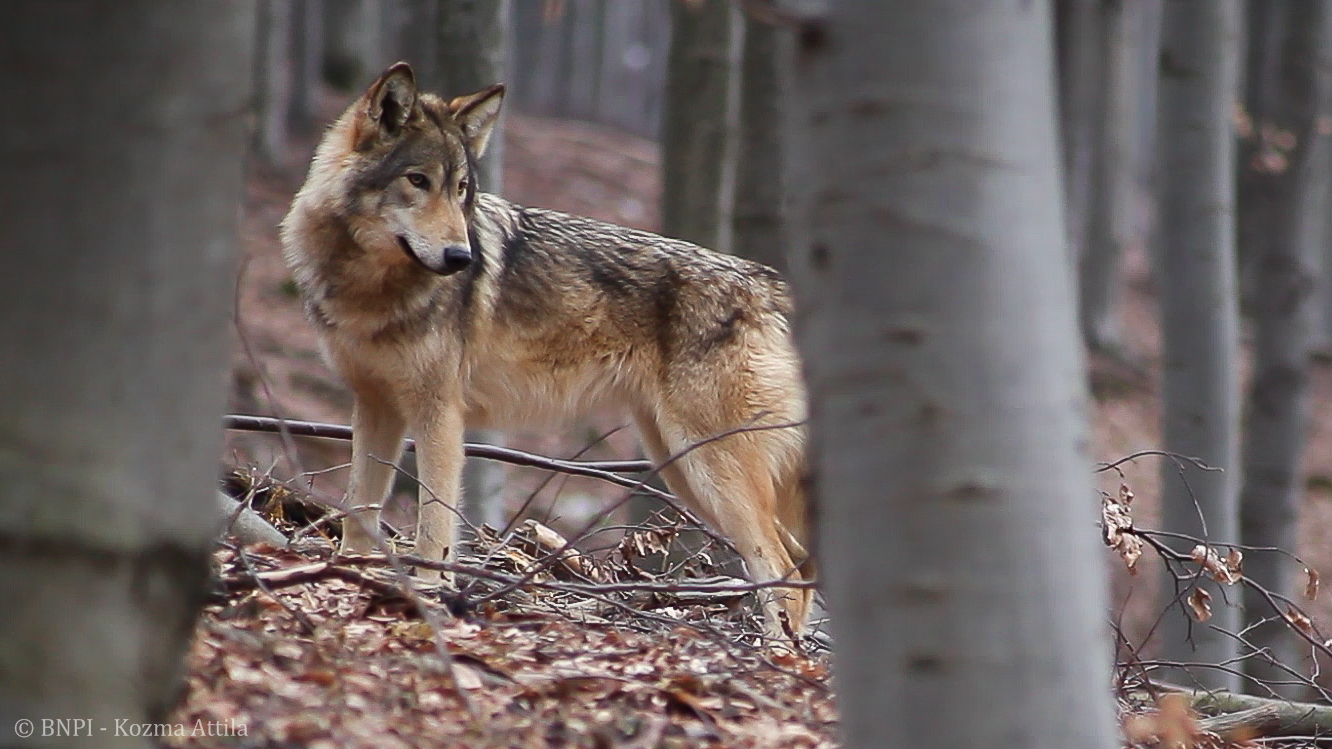
The typical mammalian species of the foothills and lowland areas is the European ground squirrel (Spermophilus citellus), the herds of which was locally strengthened after a strong suppression in recent decades.