Our Visit to the Bükk National Park Directorate in Eger:
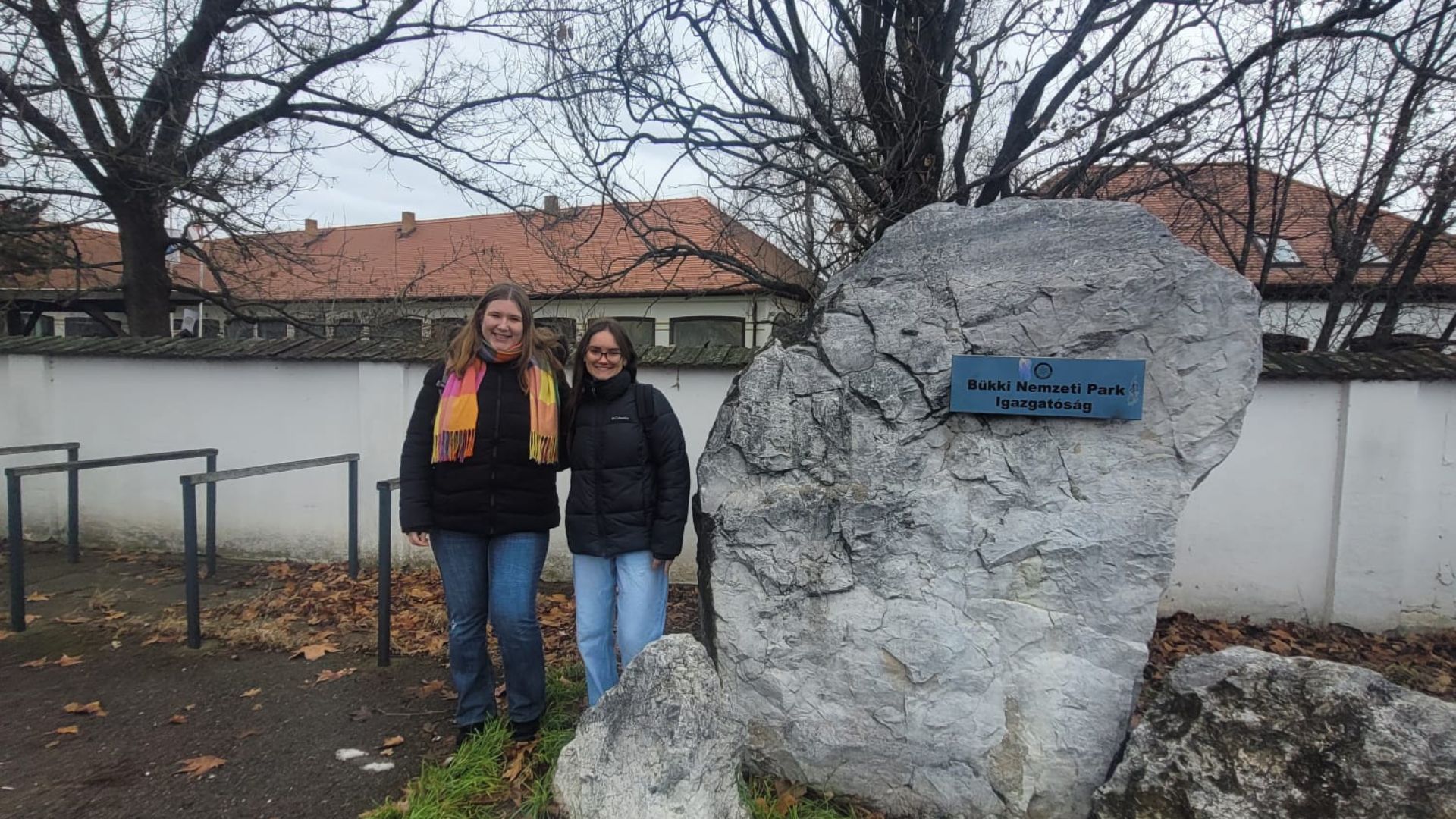
In February, we visited the Bükk National Park Directorate in Eger. Our visit was very interesting,and we met many staff members, saw their workplaces, and viewed numerous photos of plants,animals, and maps. We were particularly impressed by a rescue center for injured and weakenedbirds and by the insight we gained into the work behind the scenes at the national park.
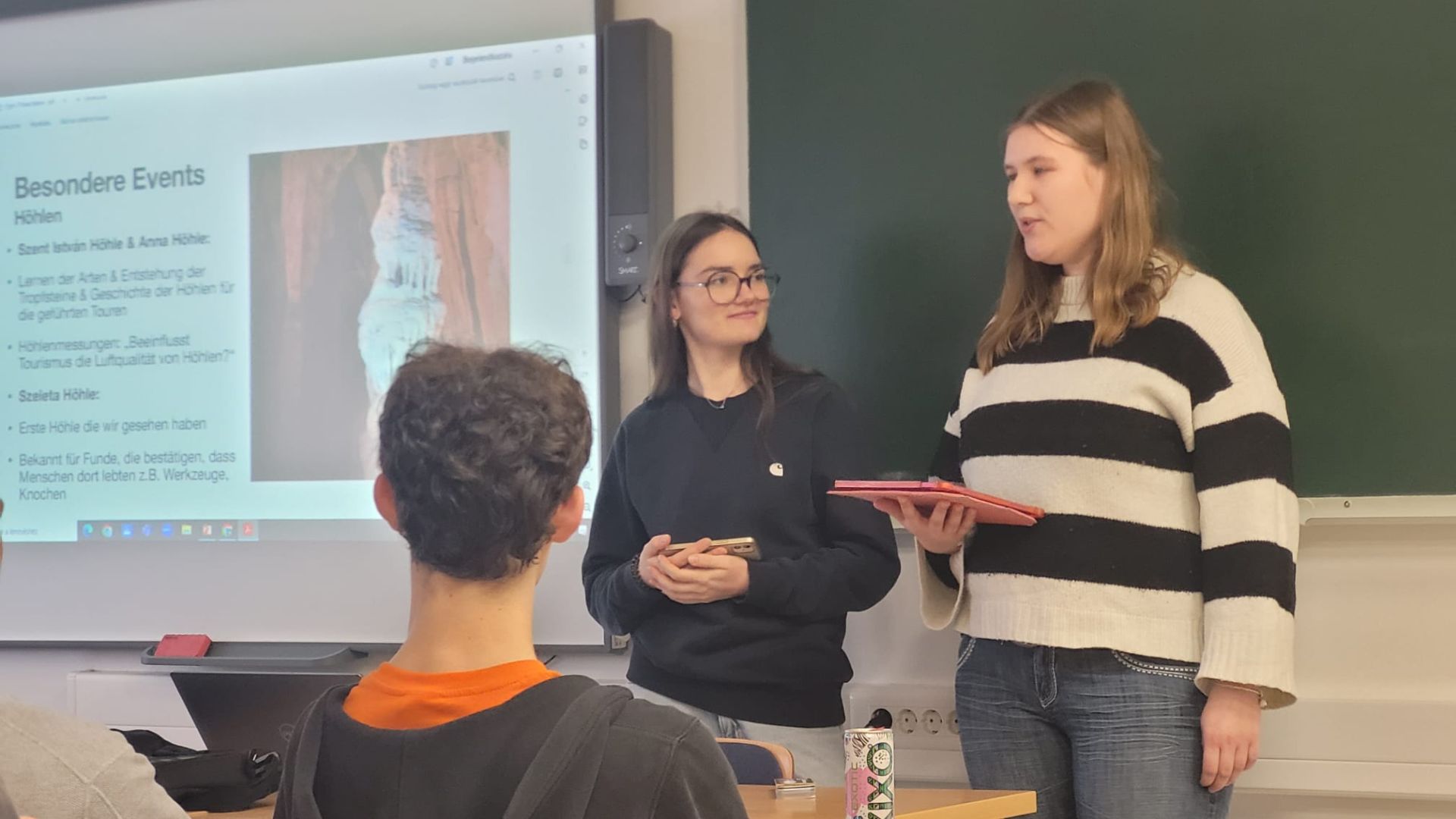
Presentation at the Gárdonyi Géza Cistercian High School in Eger:
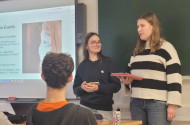
On February 29th, we visited the Gárdonyi Géza Cistercian High School in Eger to hold apresentation in German about the Bükk National Park, our work, and our experiences. Aftervisiting the Bükk National Park Directorate, we went to the high school. We first met a teacherwho gave us a tour of the school until we arrived at the classroom. There, we were to give apresentation to a class learning German as a foreign language. We were naturally a little nervous,and it was fun to talk about our experiences as volunteers, especially when we realized how muchthe students understood. Afterward, they had time to ask us questions, and we also learned thatthe high school is named after the Hungarian author Géza Gárdonyi. This author is known for hisbook "Egri csillagot," which translates to "The Stars of Eger." Later, our contact person showed usaround the city and some of its sights. Overall, the visit and presentation in Eger was a trulywonderful experience!
Bird Ringing at the Szeleta Park in Miskolc:
We helped with bird ringing at the Szeleta Park, the visitor center of the Bükk National Park in Miskolc. There, we caught birds in nets, examined them, and ringed them. We also accompaniedgroups of children who were curious to watch the bird ringing process. We mainly caughtsingingbirds, such as tits, robins, and blackbirds, and even a woodpecker. We recorded the birds'Latin names and all relevant information, such as their weight and condition. Afterward, they werereleased, and the children were able to make their own bird food from various seeds and coconutoil. The program ran from 8 a.m. to 2 p.m., and we caught approximately 40 birds in total.
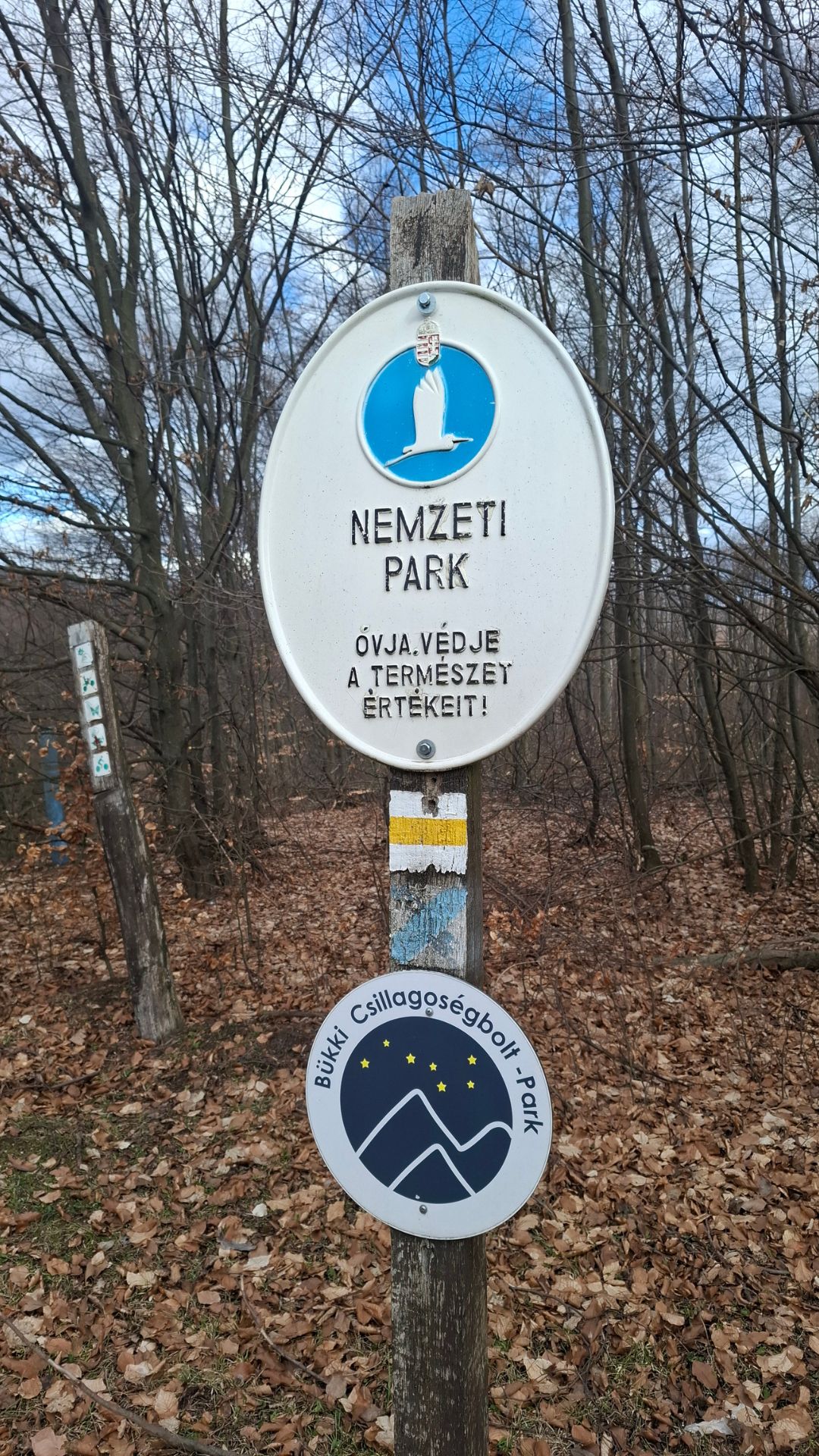
Hiking at the study trail in Répáshuta:
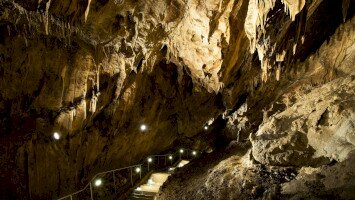
Marah's volunteer service has unfortunately come to an end, so I'm now alone at the placementsite and had to go hiking by myself. I was tasked with making a video about the educational trail inRépáshuta, which has a total of 10 stations and is 12 km long. Marah and I had previously tried tohike the trail, but unfortunately, we had to abandon our plans due to the deep snow. First, I took abus there and set off with a map on my phone. I enjoyed the natural surroundings of the naturereserve and even saw some small caves. I found the diverse landscape particularly interesting, asthe trail led me through forests, meadows, and then a small section through Répáshuta itself. Igathered many new impressions and information. It's definitely worth visiting the educational trail in Répáshuta.
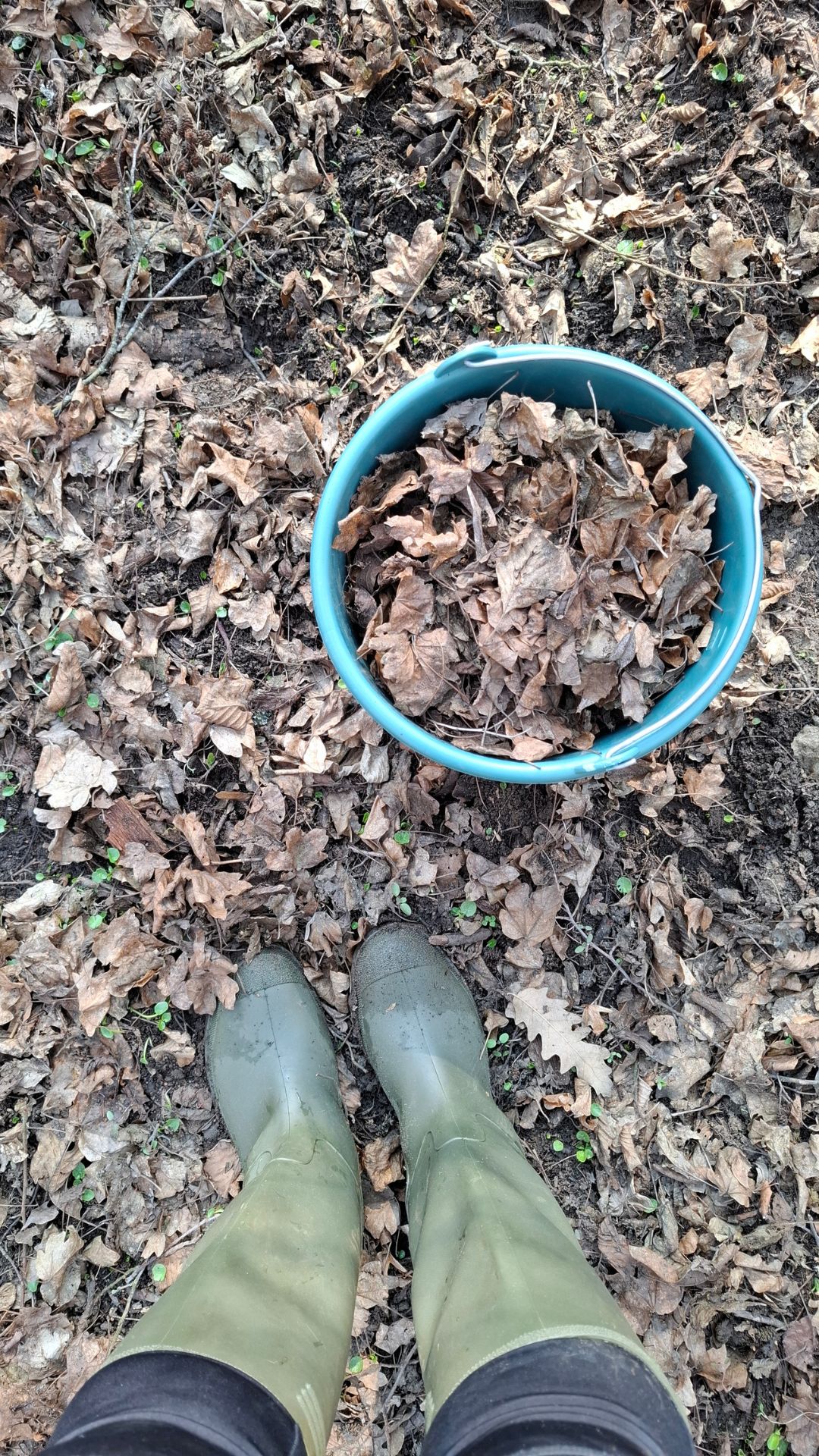
Water conversation in Tarnalelesz:
In March, I helped to create water outlets from the Nagy Völgyi stream into a swamp to improvethe water supply of the swamp and to create amphibian breeding sites. Equipped with rubberboots, gloves and shovels, we built dams to store water, collecting branches and leaves toconstruct them. We also used soil. This caused the water level to rise on one side of the dam,allowing it to be stored. We also widened several smaller streams. This water conversation is alsovery important for older trees.
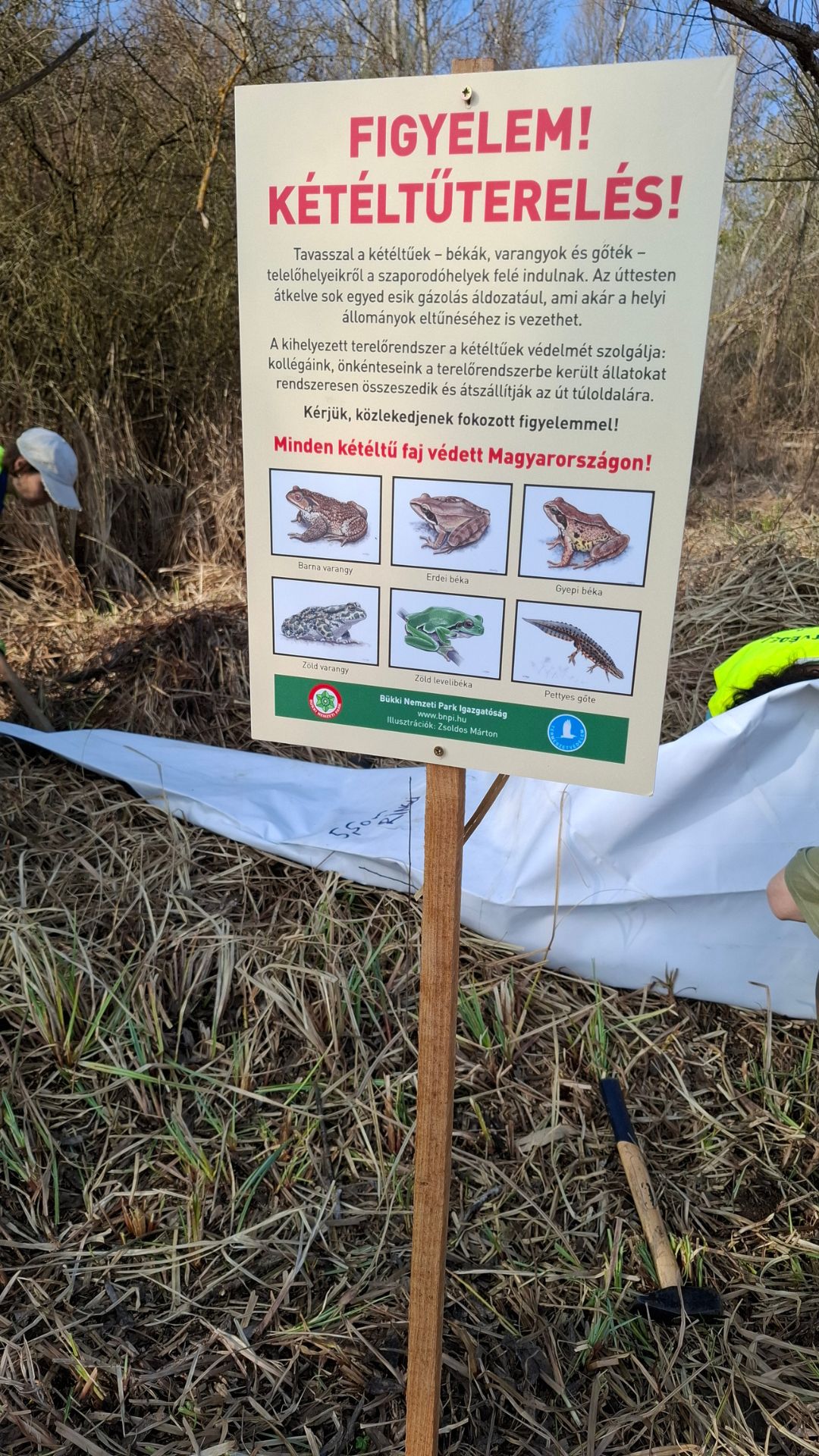
Amphibian diversion construction in Bükkszék:
We set up a diversion system approximately 100 to 150 meters long on a road section in Bükkszék that is intensively used by amphibians, such as frogs, when they want to reach theirbreeding grounds. For this, the ground had to be flat, so we leveled it with shovels, removingleaves and branches in the process. Then we built a barrier out of tarpaulins and spread some soilover the part of the tarpaulins that was in contact with the ground. During the critical period, theamphibians are collected behind the barrier and transported to the breeding site, which is locatedon the other side of the road.